
Solid Wood Double End Sawing, Milling and Drilling Machines
For cabinet face frames, door frames and solid wood furniture components that require accurate double end processing and repeatable joint preparation.
Choose the model by workpiece shape, process sequence and output target.
The series can include standard models and customized configurations according to drawings, fixture needs and production rhythm.
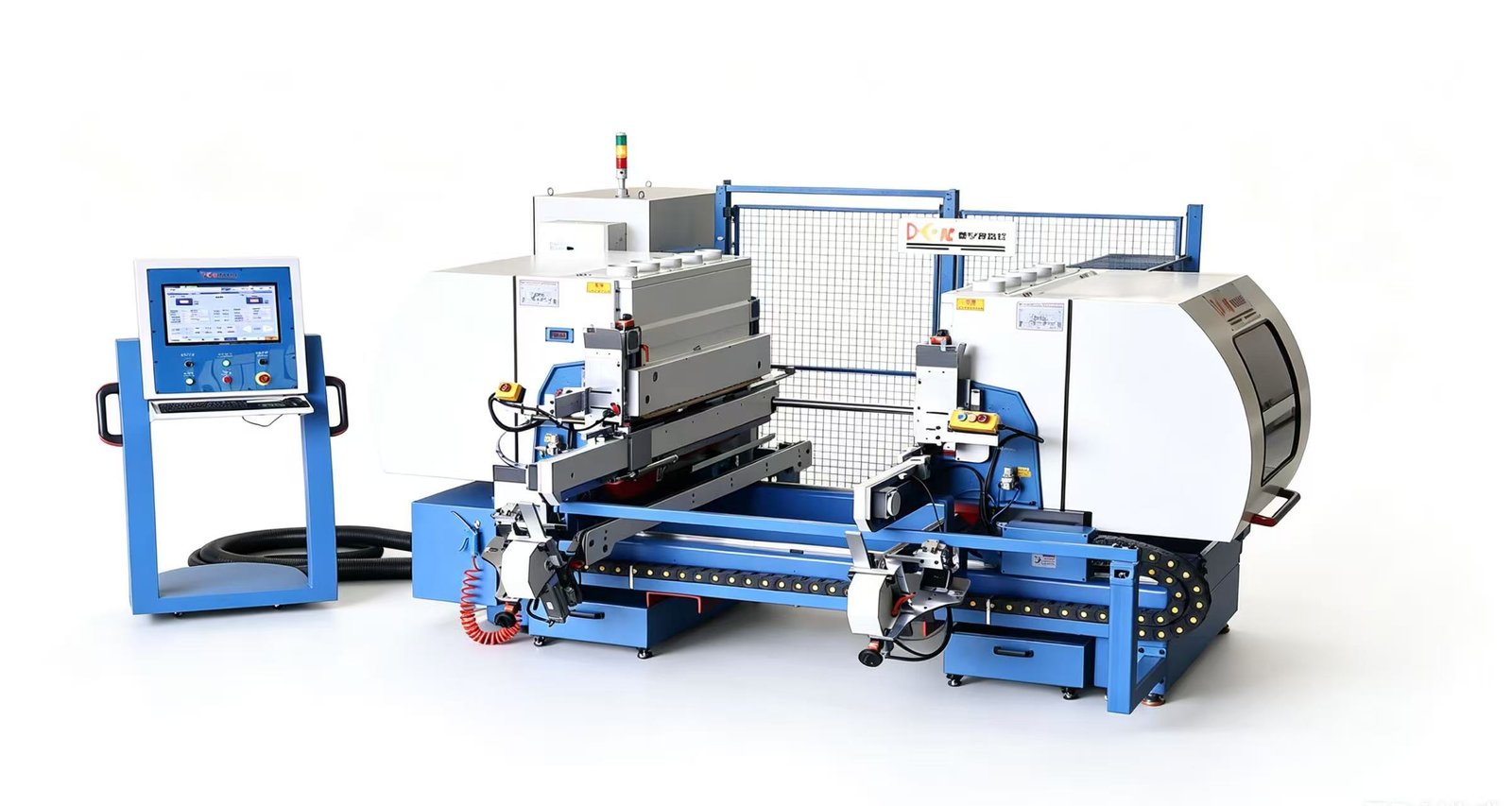
MD6315T Double End Machine
Flagship double end model for sawing, milling and drilling applications.
View detail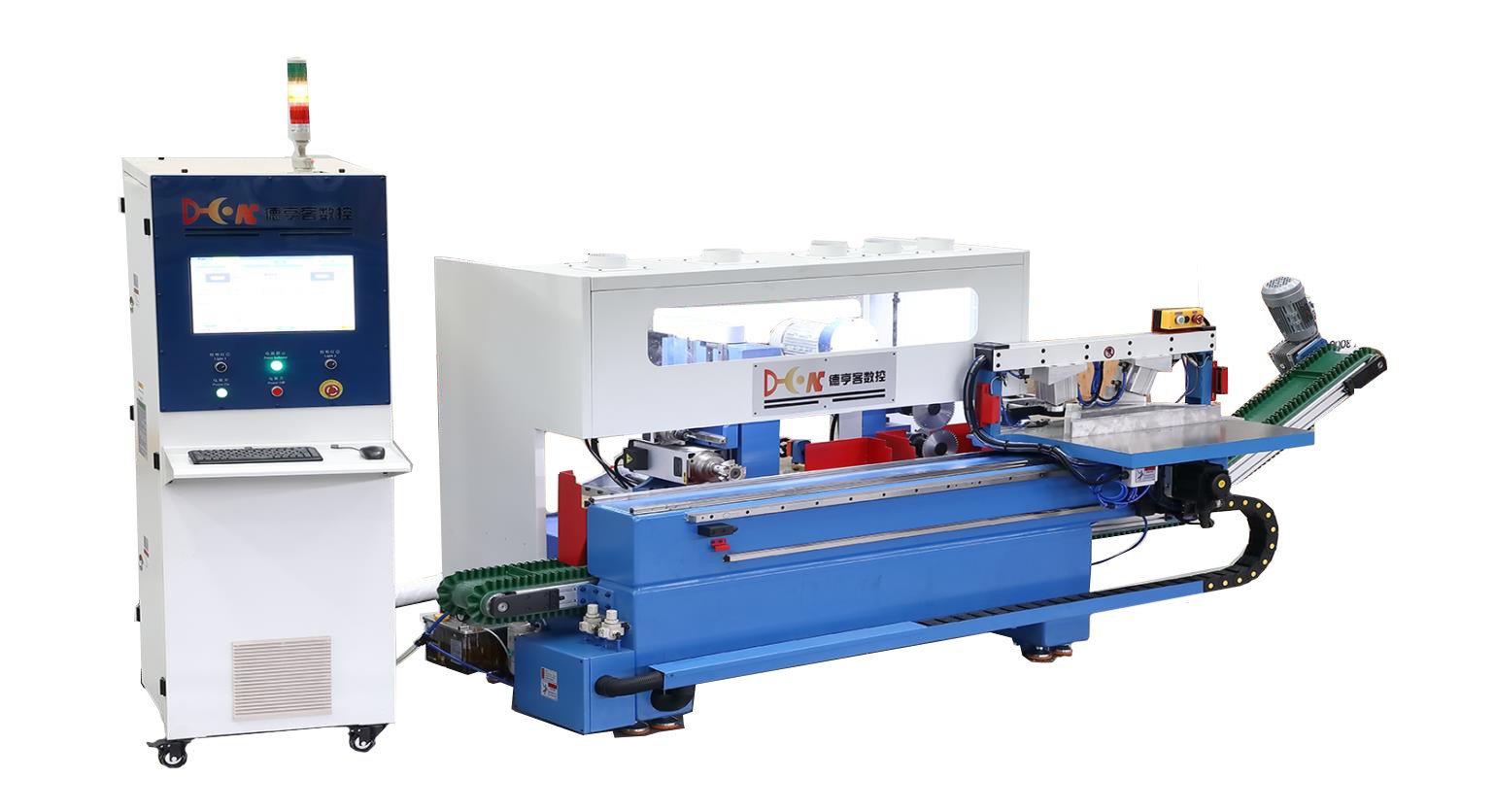
MD530G Sawing Milling Drilling
Built for door frame and male/female joint machining applications.
View detail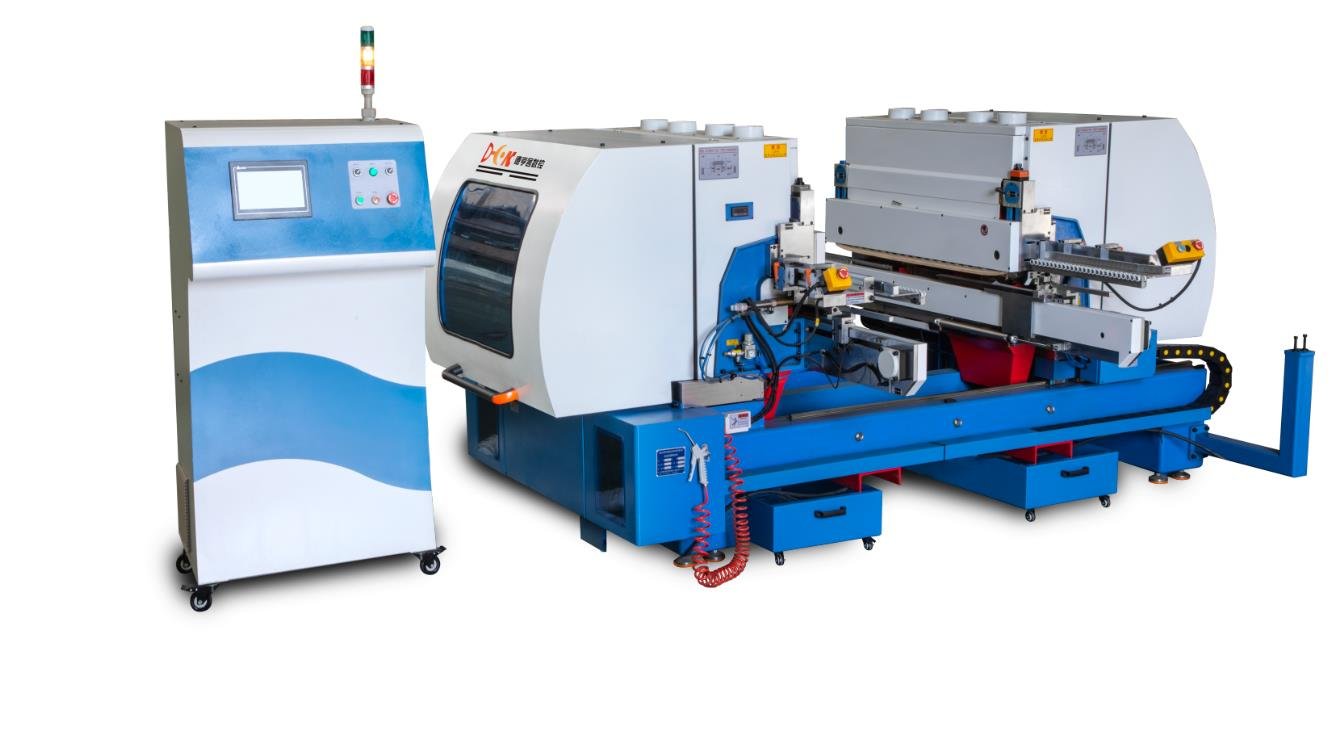
MD6315G Configuration
A supporting series model for comparing station layouts and application scope.
View detailMachine stations organized by production role.
Factory managers and distributors can evaluate the line by sawing, milling, drilling, fixture and feeding requirements.
Double end length cutting
Designed for repeated workpieces where both ends need stable length control before joint processing.
Tenon milling
End profile and tenon structure can be discussed based on drawings, joint type and furniture category.
Mortise drilling
Drilling position, sequence and fixture method are confirmed with the buyer's workpiece sample.
Confirm the information that changes the machine configuration.
These project details help DAHAKA review the correct station sequence, fixture method, voltage and delivery plan before quotation.
| Input | Why it matters | Example |
|---|---|---|
| Workpiece drawing | Defines length, width, thickness, joint type and processing position. | Cabinet rail/stile drawing |
| Material and tolerance | Affects clamping, feeding and station configuration. | Solid wood strip parts |
| Output target | Helps decide machine rhythm and automation level. | Daily or shift capacity |
| Destination country | Affects voltage, documentation and delivery planning. | US, Brazil, Poland |
Planning a double end machining project?
Send part drawings and target capacity so the machine can be configured around the actual furniture component.
Model library for buyers comparing configurations.
Each model includes quick specs, machine role, process modules, workflow, gallery, configuration options, downloads, service and inquiry CTA.
Clarify what the double end line is built to process.
Solid wood buyers compare machines by process procedure. DAHAKA connects each procedure to the buyer's actual part.
| Workpiece | Common process | Page message |
|---|---|---|
| Cabinet rails and stiles | Double-end cutting, tenon milling, drilling | Configured for repeated frame components |
| Door frame and strip parts | End shaping and joint preparation | Fixtures and stations depend on the drawing |
| Export furniture components | Length control and end profile repeatability | Suitable for batch production with consistent part geometry |
| Special solid wood parts | Customized clamping or station sequence | Requires sample, drawing and capacity target |
Production-manager checkpoints before inquiry.
These checkpoints help buyers compare real production requirements before inquiry.
Station sequence
The job may require sawing only, sawing plus tenon milling, or sawing plus milling and drilling.
Fixture method
Clamping and feeding are matched to the real part, especially for repeated strips and frame components.
Output target
Batch rhythm, operator plan and daily output help DAHAKA prepare a production-ready configuration.
Real machine view before the technical table.
A strong machinery photo builds confidence before the visitor reads process and configuration details.


